World on the Brink
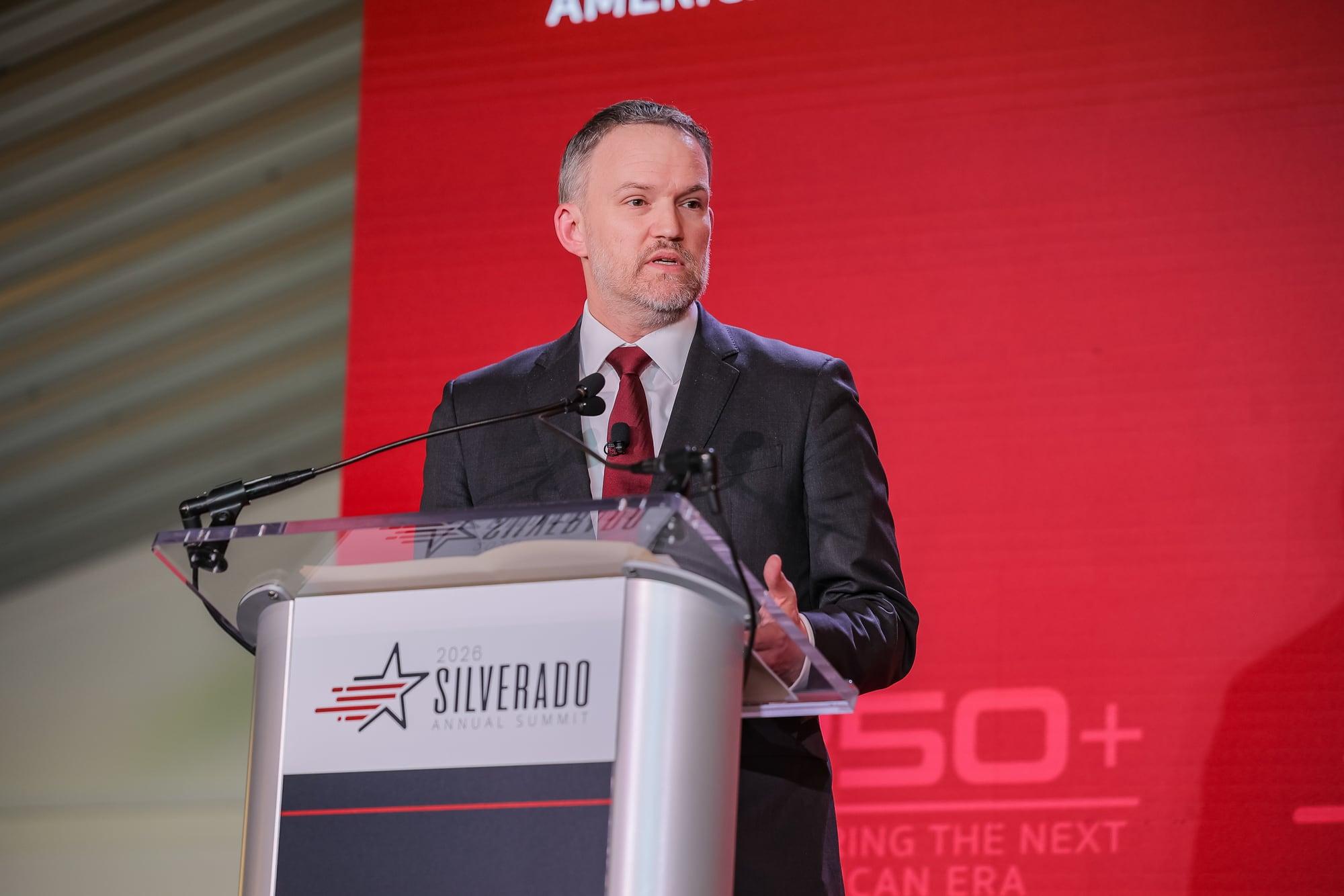
The 4th Annual Silverado Summit convened 230+ leaders for a high-level exchange on trade and industrial strategy; critical minerals; cyber resilience; energy security; advanced technology and defense innovation, and U.S. - China competition.
Across two and a half days of keynotes, fireside conversations, and panels, participants examined how the United States can strengthen competitiveness and shape the next era of economic and national security. The Summit offered expertise and an interdisciplinary perspective across Silverado's four main pillars: National Security; Trade and Industrial Strategy; Energy Security; and AI/Cybersecurity.
The Keynotes
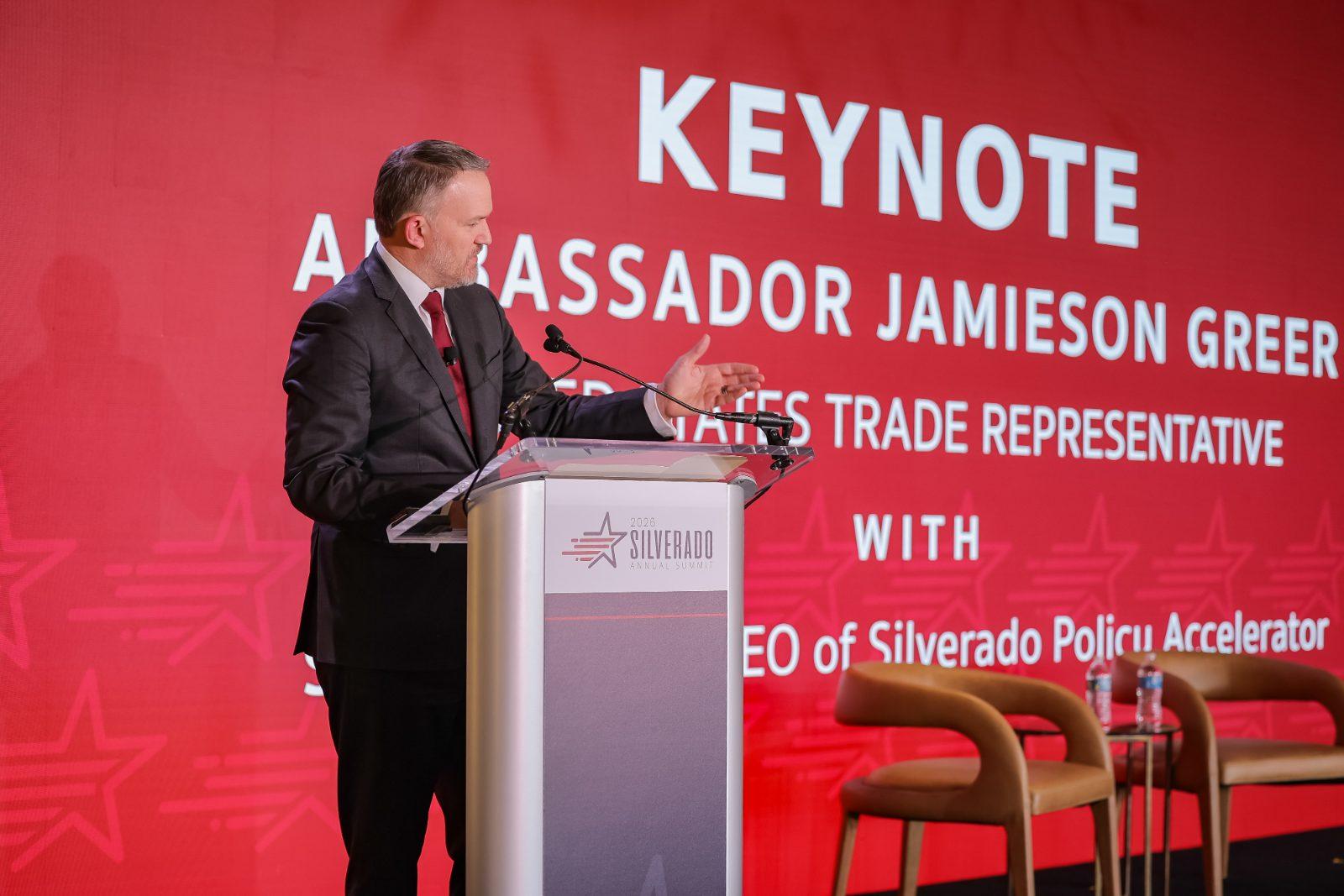
USTR’s Approach to Trade & the Next American Era
Ambassador Greer opened the Summit with a keynote and moderated discussion on USTR’s approach to trade, lessons from the Administration’s first year, and how trade and investment policy can drive durable economic resilience.
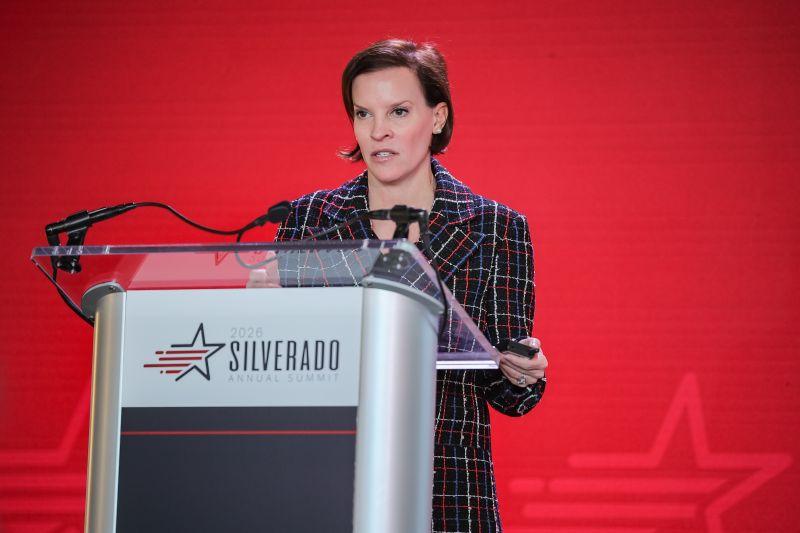
“A Look Toward the Future”
Hinman’s annual keynote examined China’s control over key industrial and technological chokepoints, Beijing’s influence over global energy markets, the expanding use of export controls and critical-minerals bans as leverage, and accelerating competition in fusion, AI, and defense technologies.
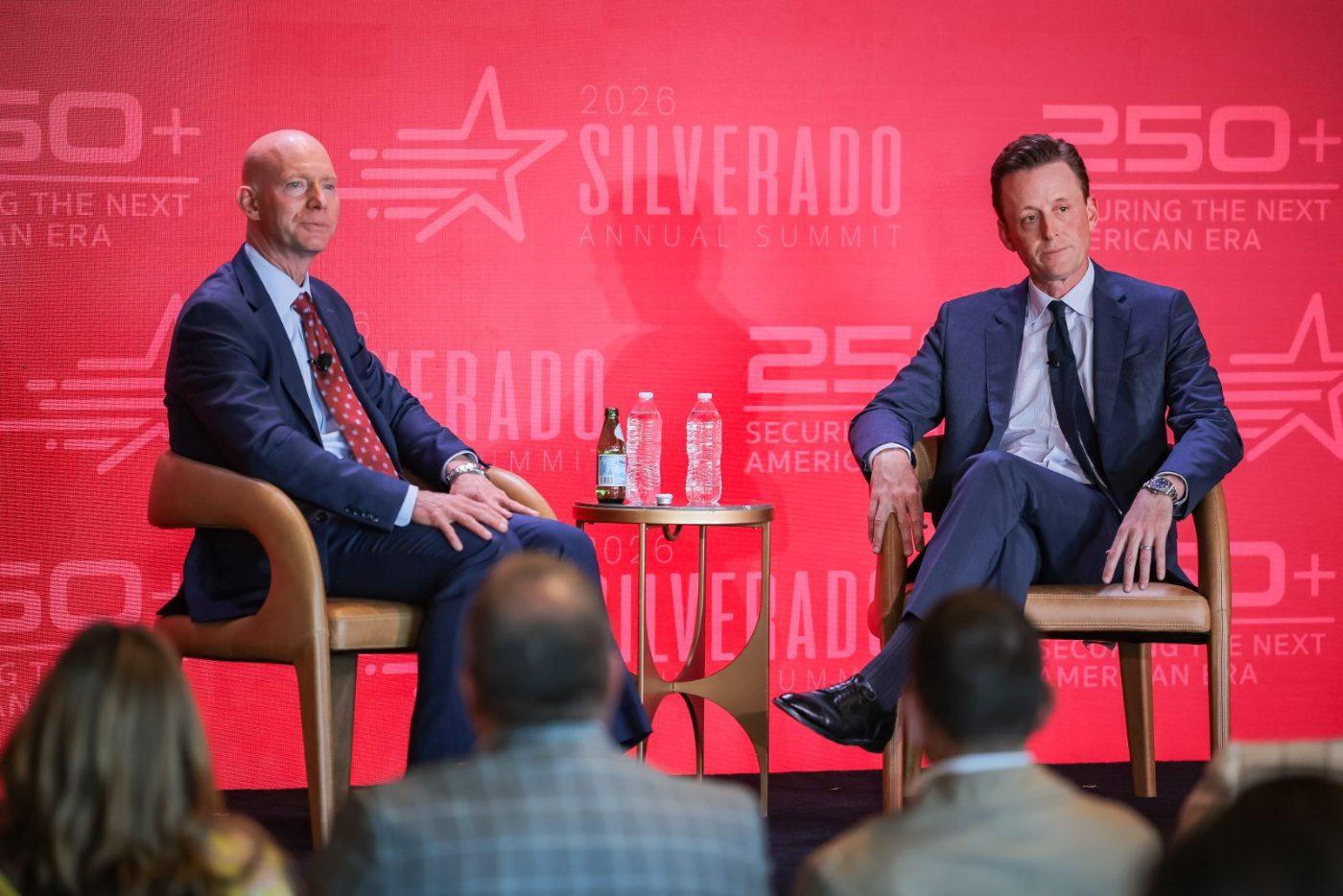
Defending the Digital Domain
Day two closed with National Cyber Director Sean Cairncross and MANTECH CEO Matt Tait on adapting U.S. cyber strategy to an era of persistent, low-level conflict, where deterrence, resilience, and the defense of critical infrastructure depend on federal and private operators moving at the same speed.
Fireside Chats
Securing American Energy Dominance
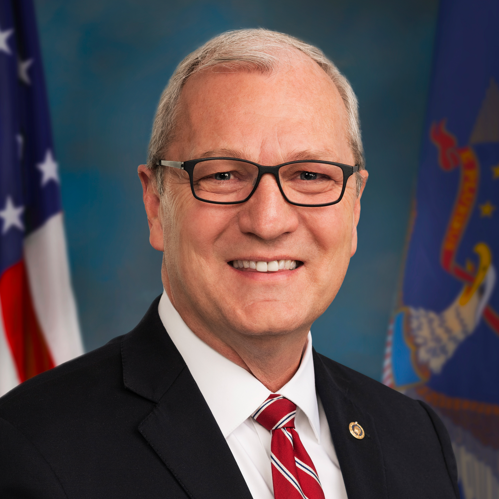
Senator Kevin Cramer and ACCF CEO George David Banks on how Congress is shaping energy-dominance policy at home and abroad, strengthening allied energy partnerships while navigating strategic competition with China.
Securing the Defense Industrial Base: U.S. & Europe
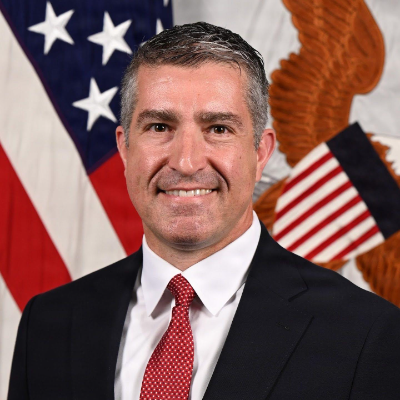
Silverado’s Marc Raimondi led a transatlantic conversation with the Assistant Secretary of War for Industrial Base Policy Michael Cadenazzi and Munich Security Conference CEO Dr. Benedikt Franke on strengthening defense readiness and shared priorities.

U.S.–China Strategic Competition
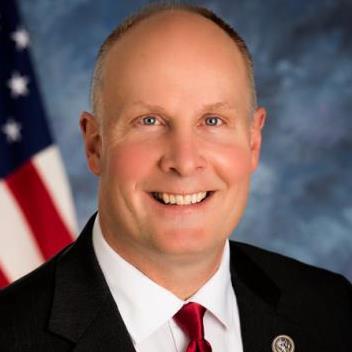
Rep. John Moolenaar, Chairman of the House Select Committee on the CCP, and Garnaut Global CEO Matthew Pottinger on the full scope of U.S.–China competition: semiconductors, AI, critical minerals, export controls, and supply chains.
The Future of Defense Innovation
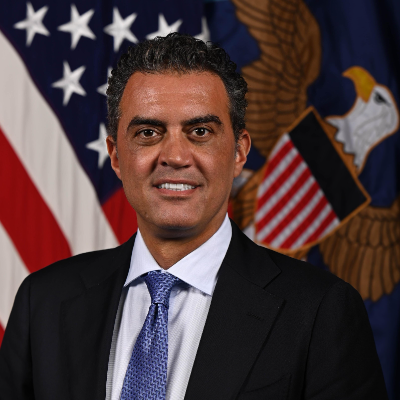
Under Secretary of War for Research & Engineering Emil Michael on accelerating technology from prototype to deployment, reducing bureaucratic barriers, and the public-private collaboration behind America’s technological edge.
Organizing for Long-Term Competition with China
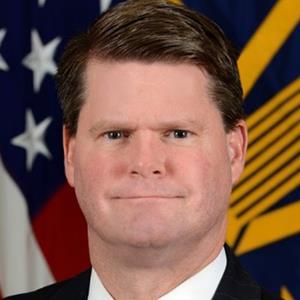
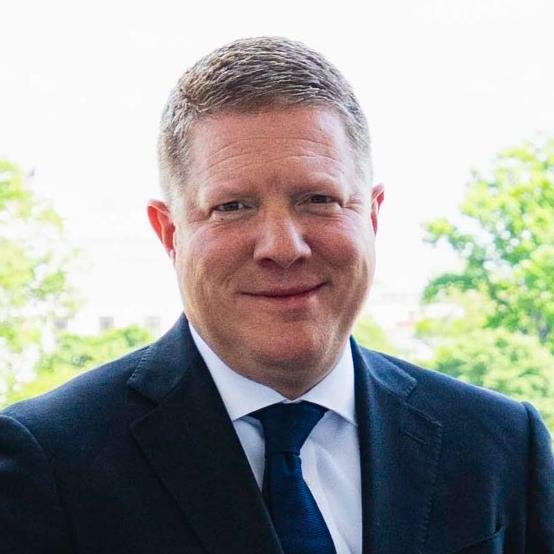
Paul, Weiss Partner John Carlin moderated a discussion on economic statecraft, export controls, and supply chain security with Randall Schriver and Michael Kuiken, the Chair and Vice-Chair respectively of the U.S.–China Economic & Security Review Commission.
TNT: How “Trade and Treasury” Can Ignite US Technology and Manufacturing Leadership
Treasury Deputy Assistant Secretary Eric Ettorre joined Mehlman Consulting Principal Alex Perkins to examine Treasury’s perspective on U.S. trade and economic policy, including engagement on critical supply chains and domestic investment in key sectors as well as coordination with other economic agencies.

Economic & Fiscal Policy and U.S. Competitiveness
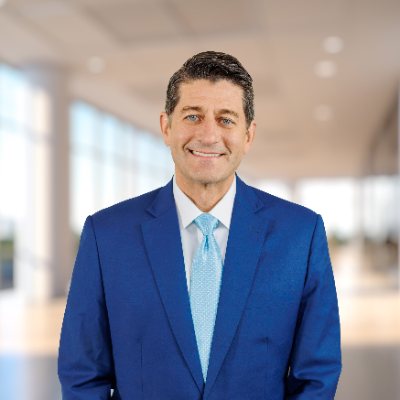
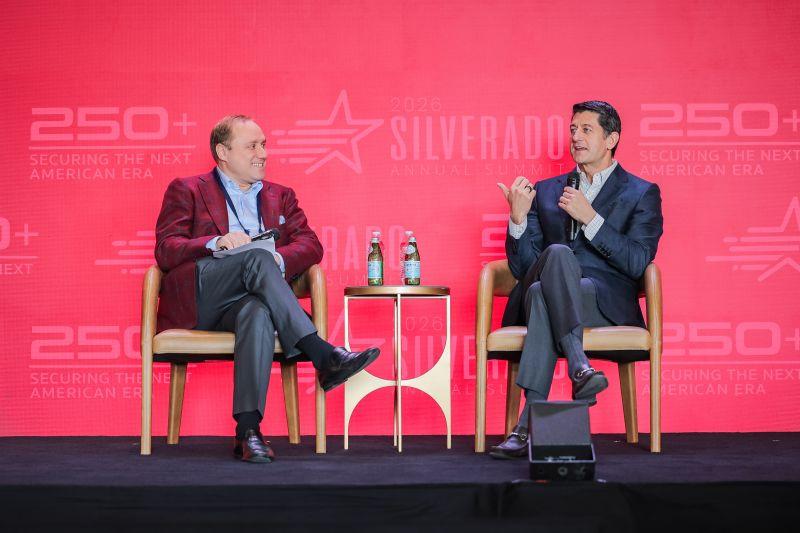
Former Speaker Paul Ryan joined Silverado Co-Founder Dmitri Alperovitch for a discussion on how fiscal discipline, growth-oriented policy, and structural reform intersect with national strength and long-term U.S. competitiveness.
Featured Panels
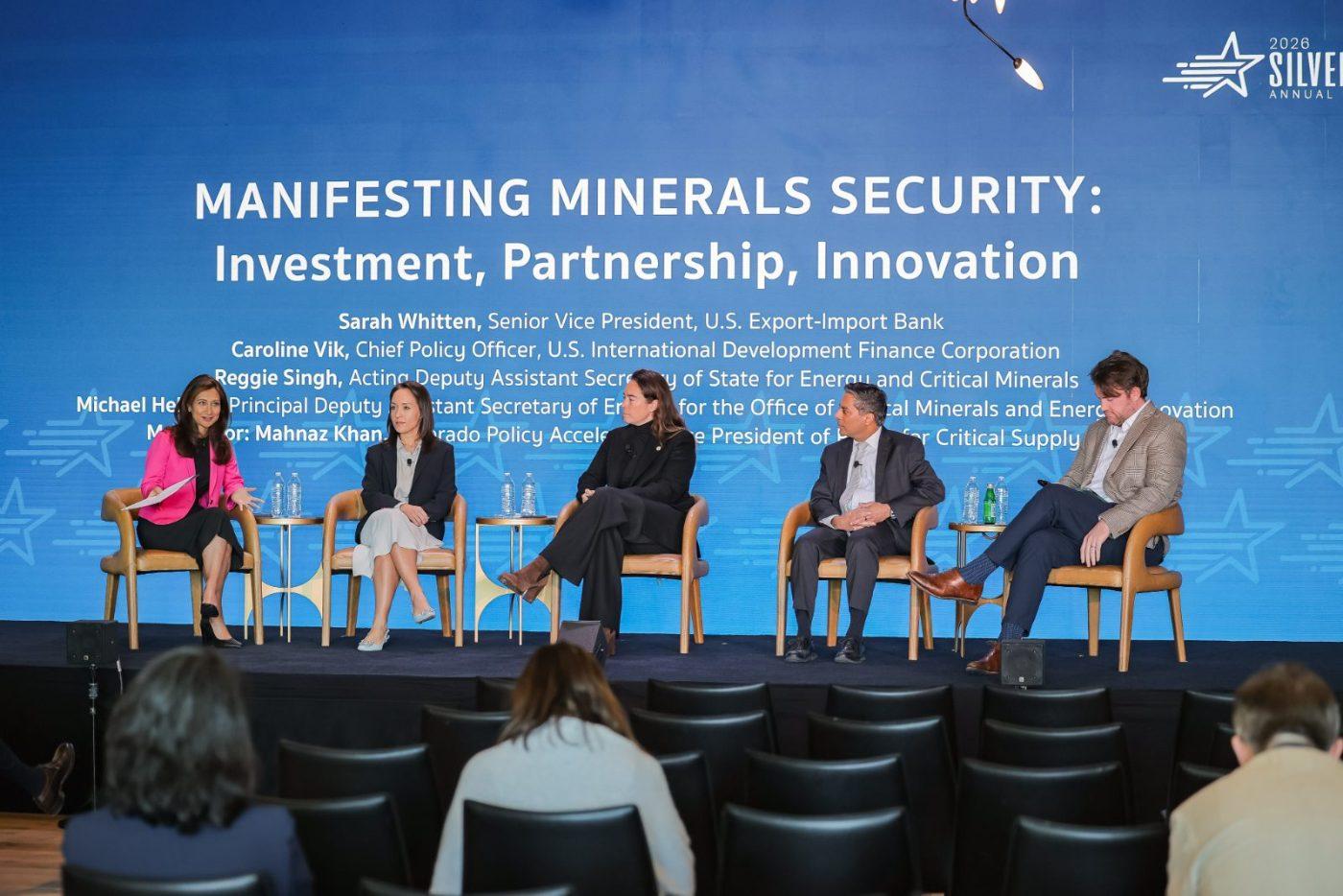
How the U.S. government approaches mineral security across financing, diplomacy, and innovation: agency support for critical-minerals projects and the AI stack, State Department initiatives including FORGE and Pax Silica, and new work on recycling, recovery, and minerals innovation.
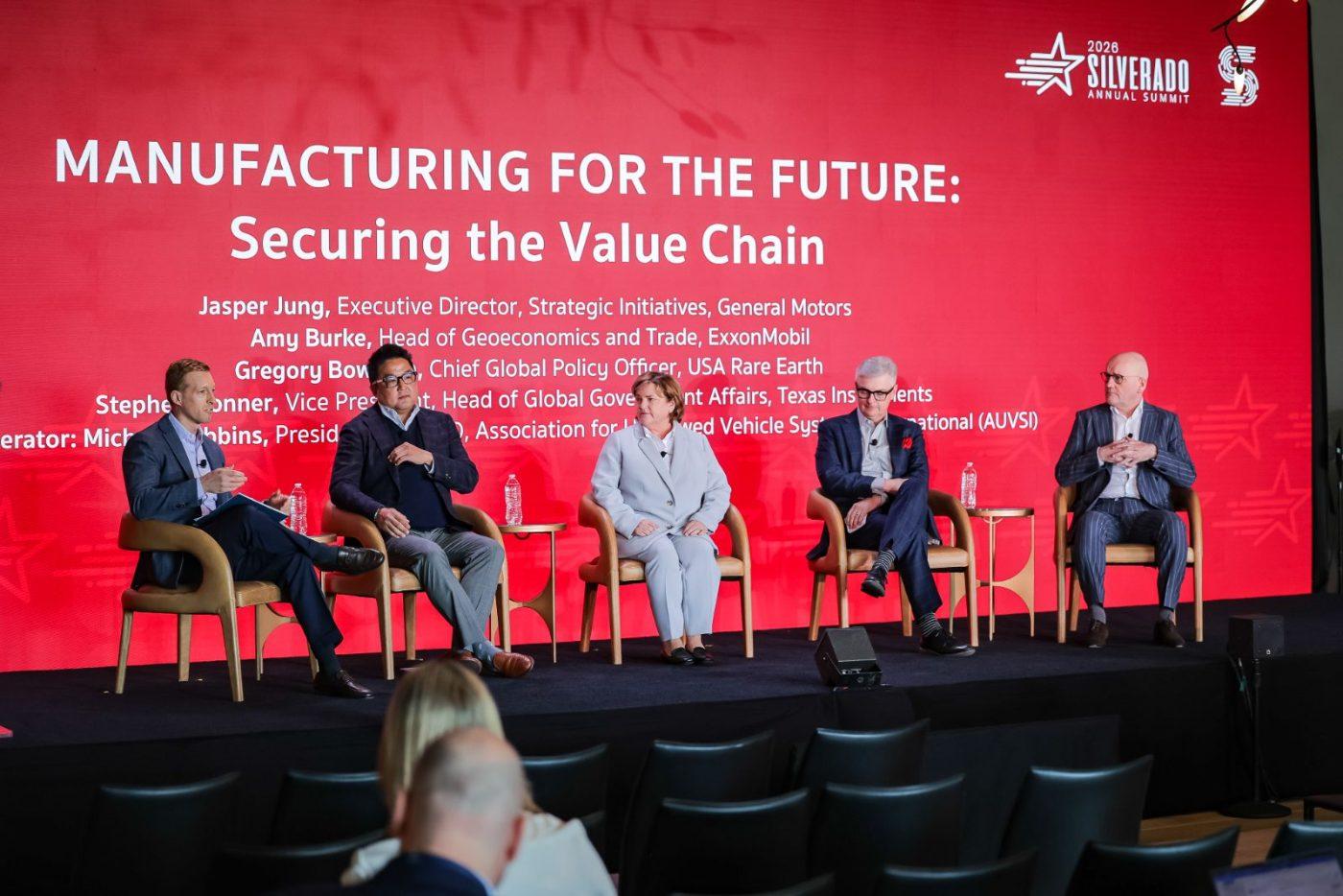
How the United States can integrate critical segments of the manufacturing and materials value chain, from upstream mineral and energy inputs to semiconductors and downstream industrial capacity, and align long-term investment with future demand.
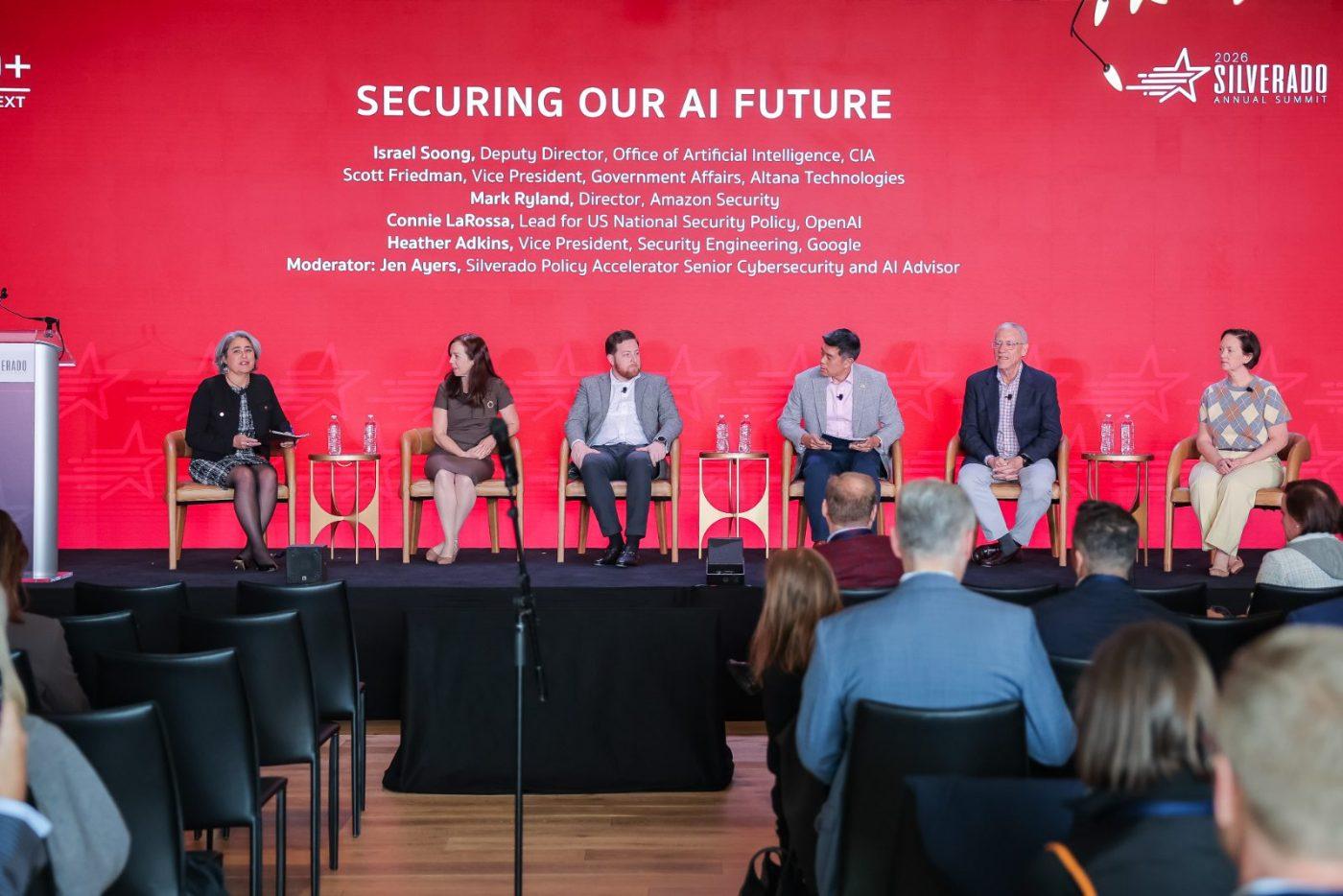
AI security is about more than model misuse and cyber risk. Panelists from the CIA, OpenAI, Google, Amazon and Altana looked at the chips, energy, data centers, supply chains and export controls that American AI depends on, and where each is most exposed.
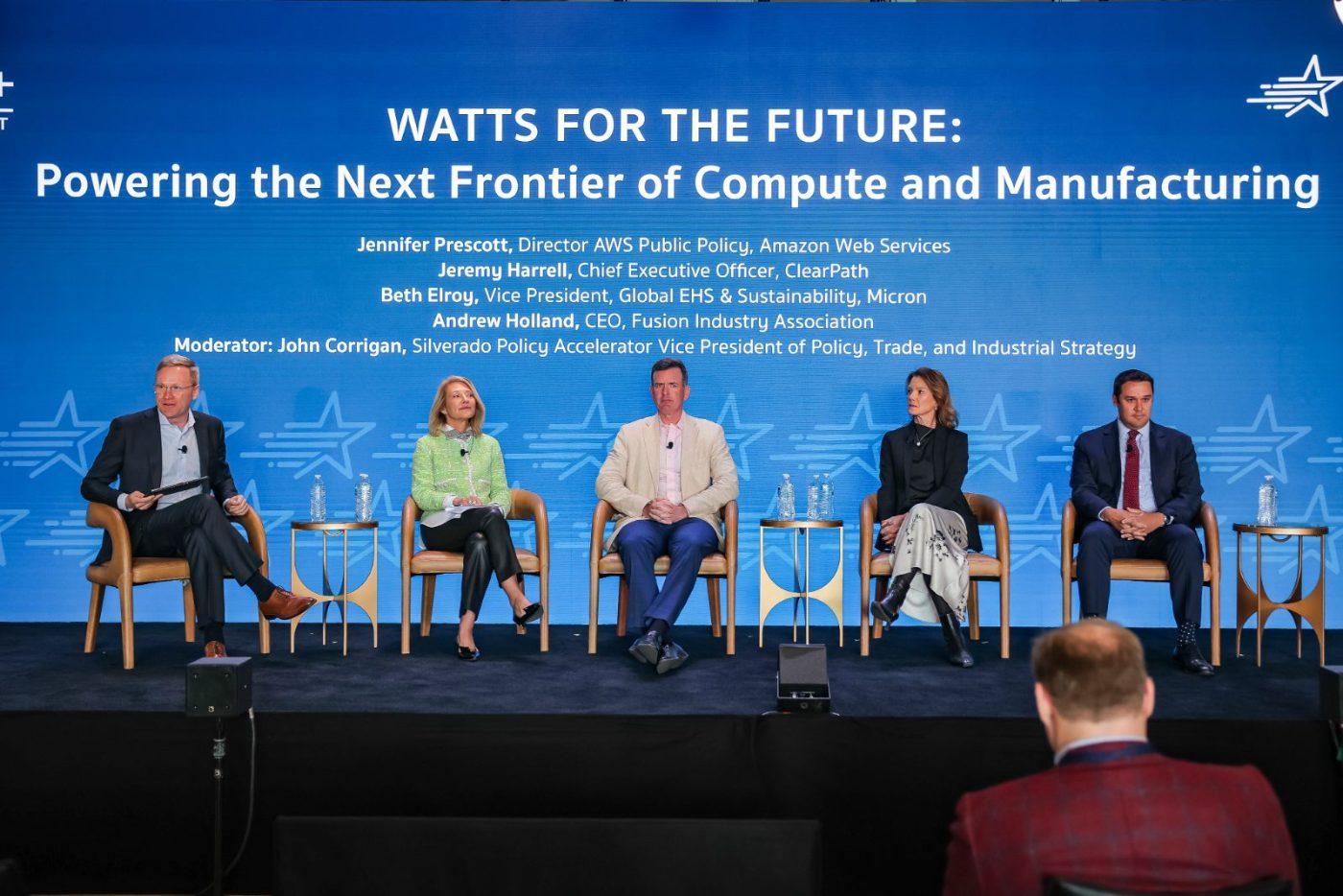
Panelists examined the growing power demands tied to AI and semiconductor production, the infrastructure needed to support industrial reshoring, and the role of advanced energy technologies in sustaining U.S. competitiveness as energy, compute, and manufacturing policy converge.
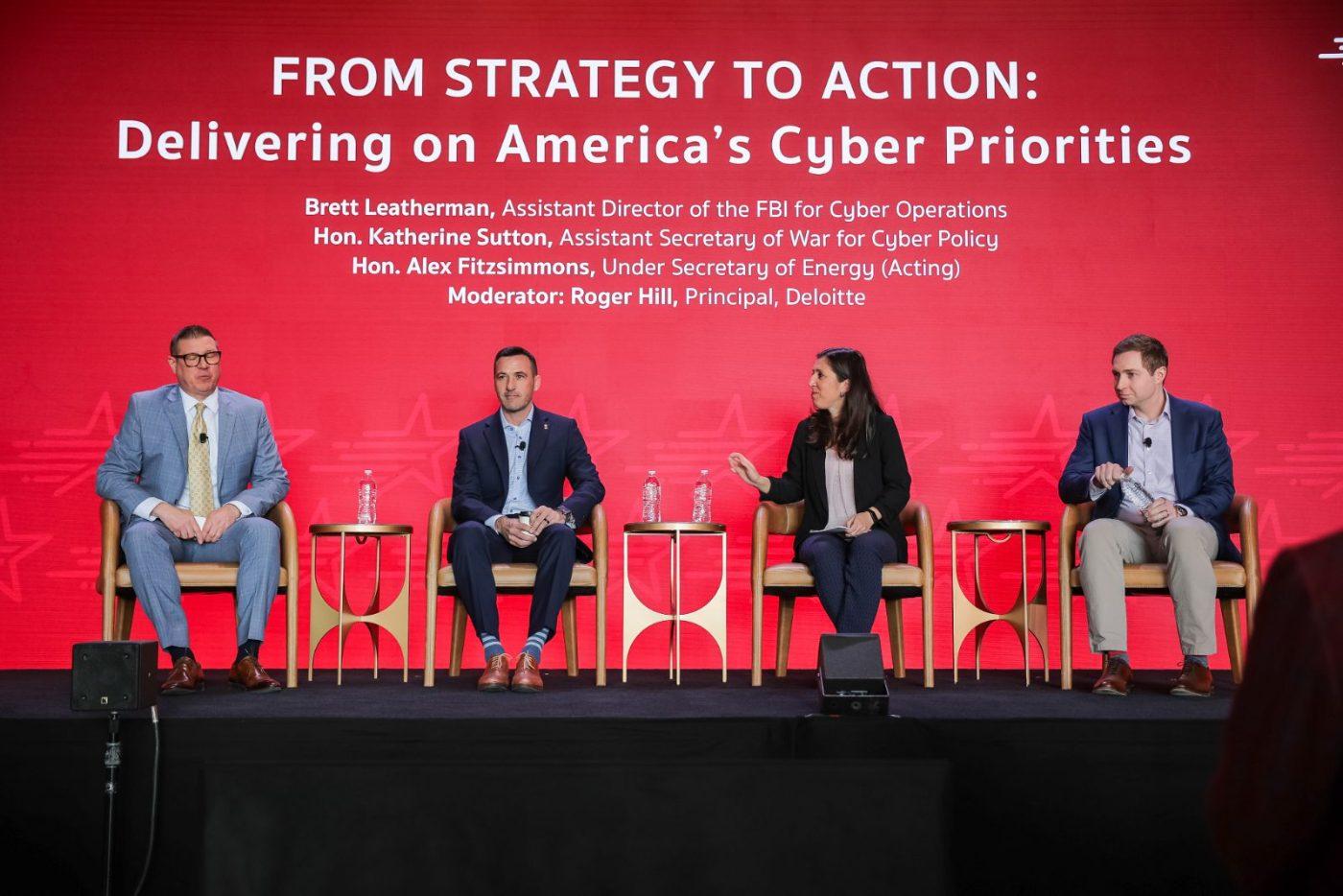
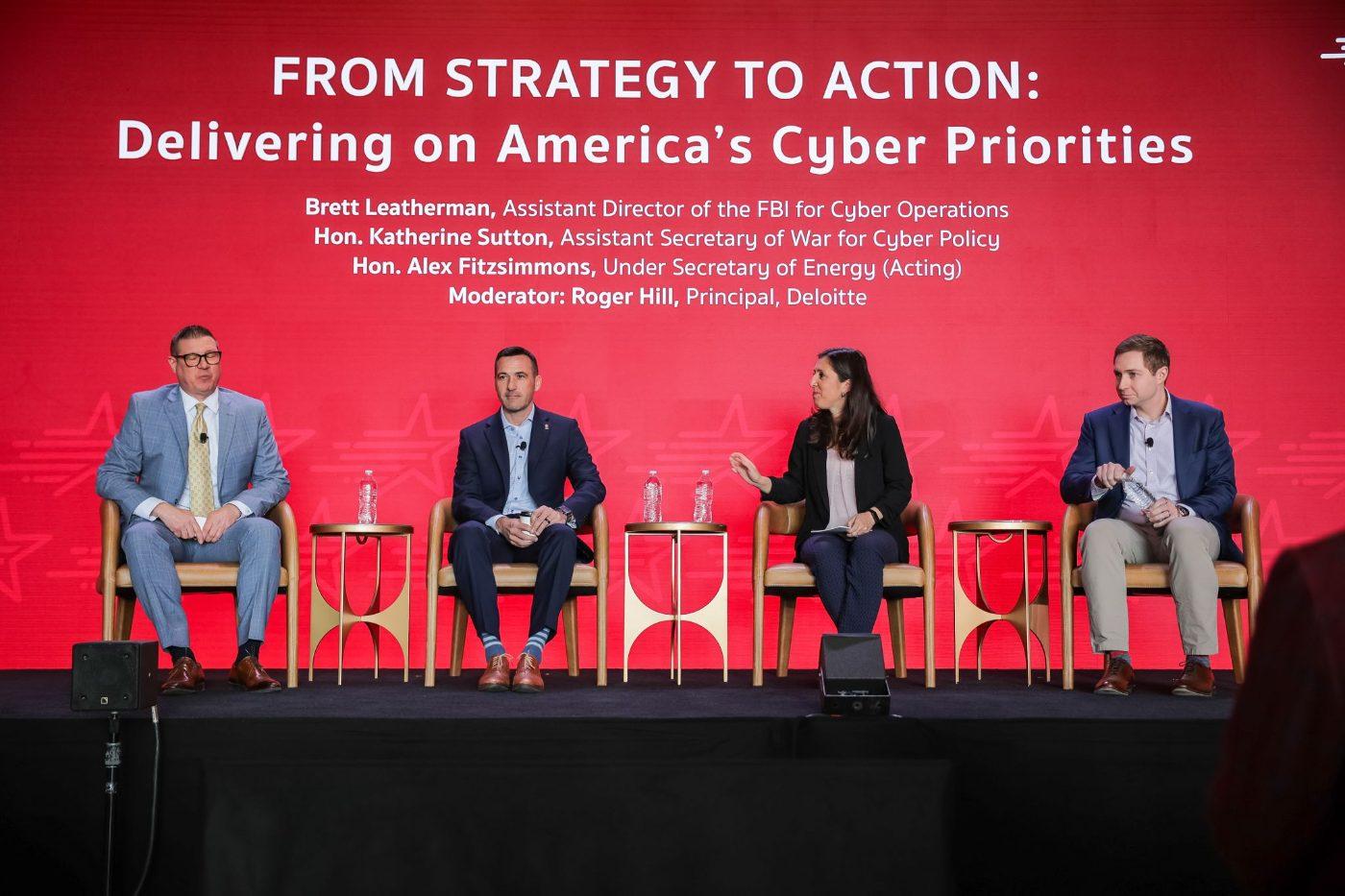
Panelists discussed how government and industry can translate national cyber strategy into operational outcomes by strengthening resilience across critical systems and responding to an increasingly complex threat environment.
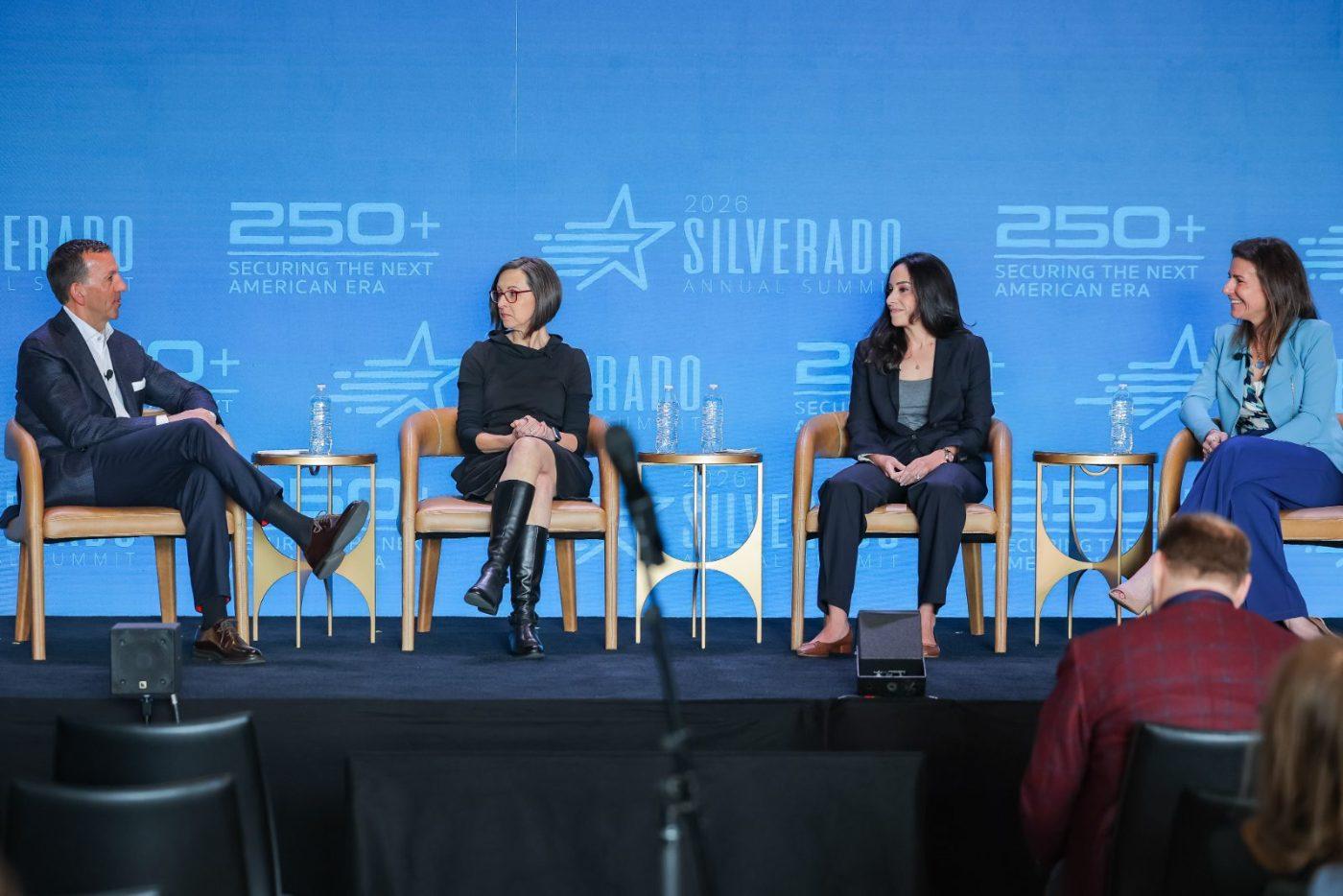
This panel examined the private sector’s role in helping the U.S. government put the new White House Cyber Strategy into action.
The full three-day agenda
Every session across April 30 – May 2, 2026, with speakers, moderators, and locations at Stone Tower Estate.
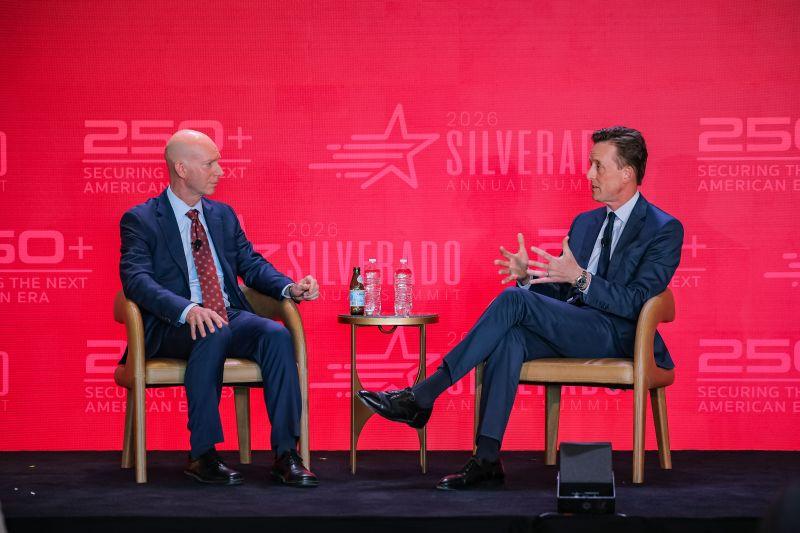
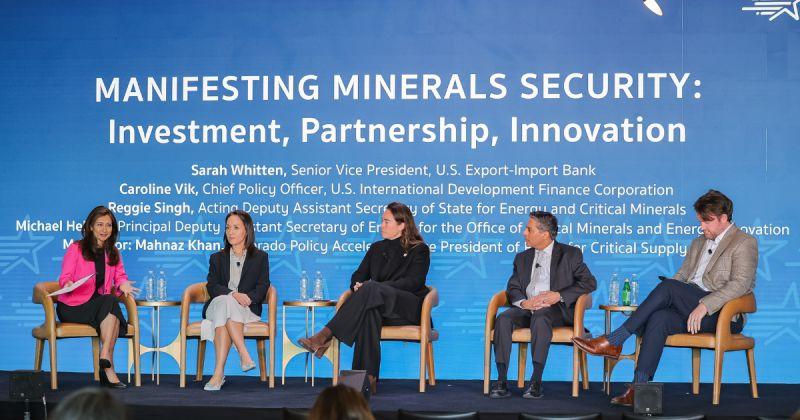
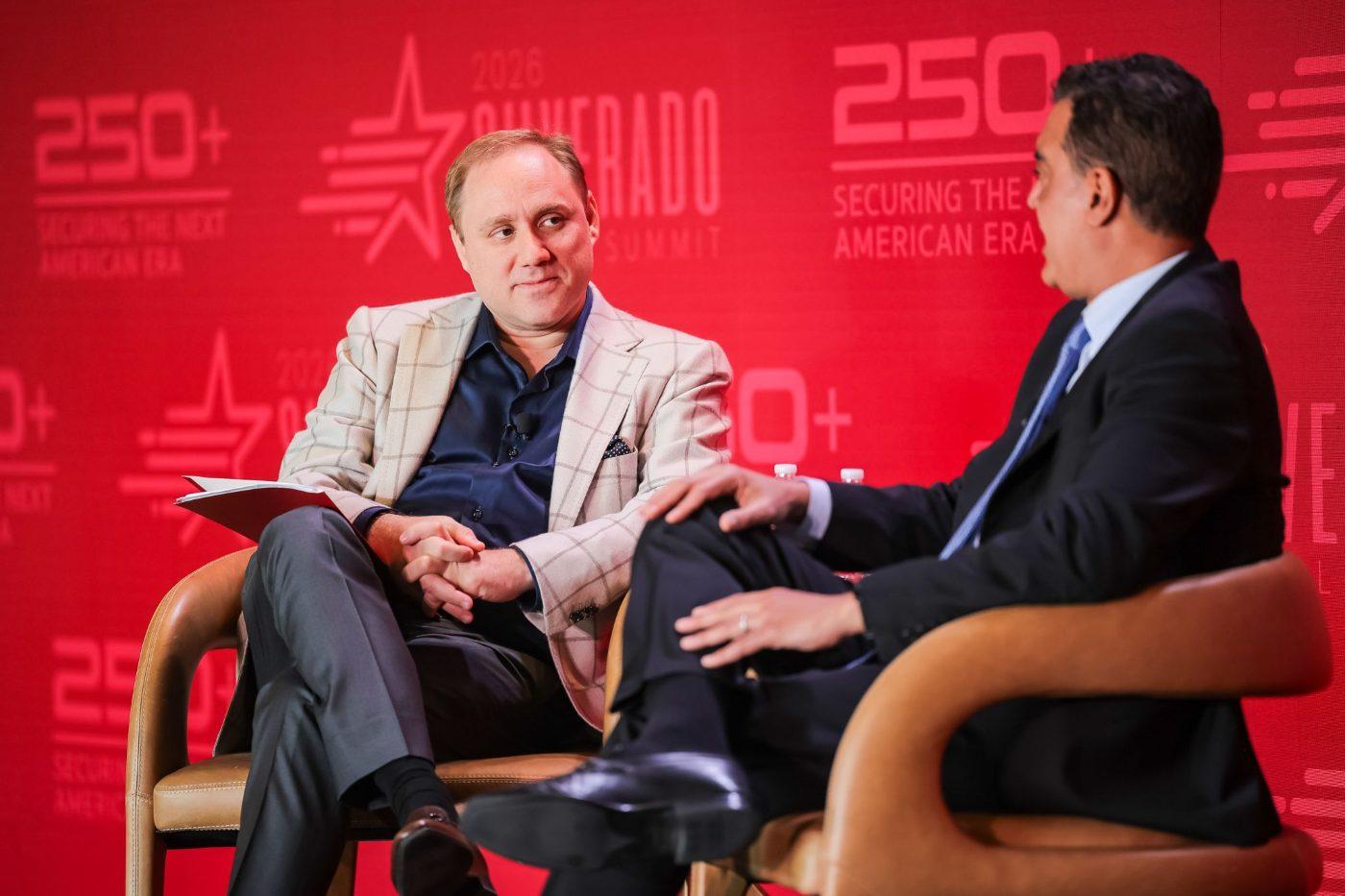
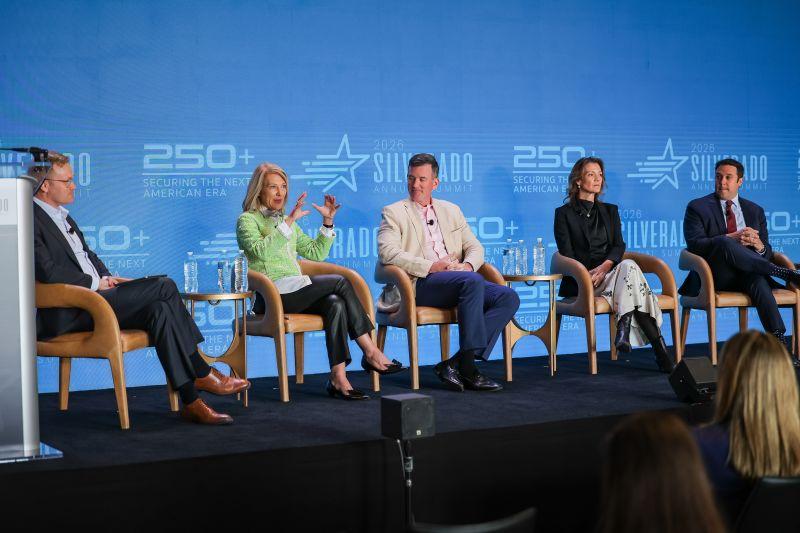
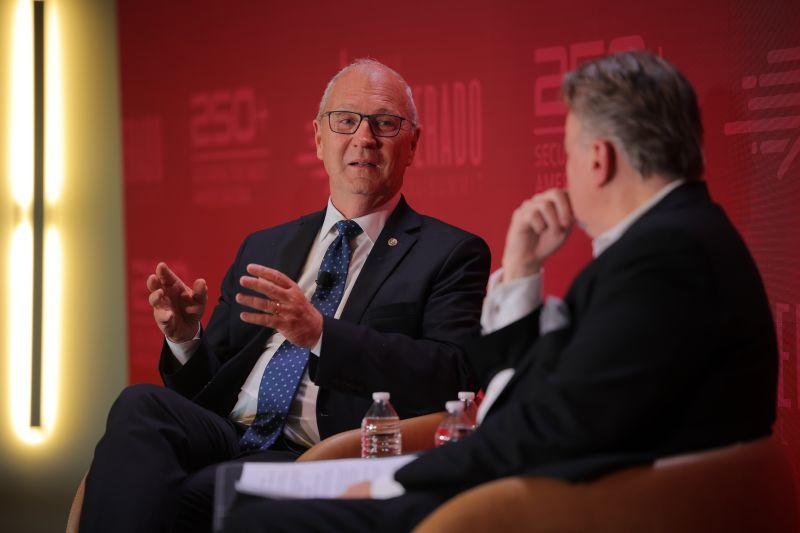
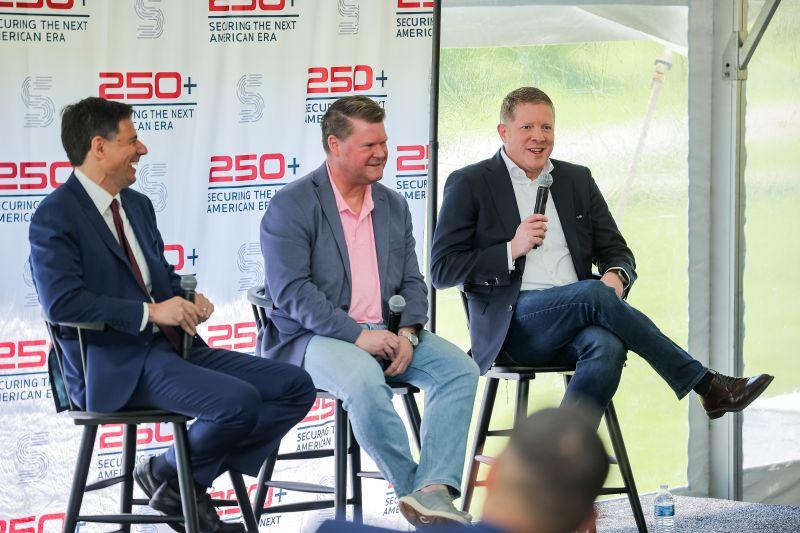
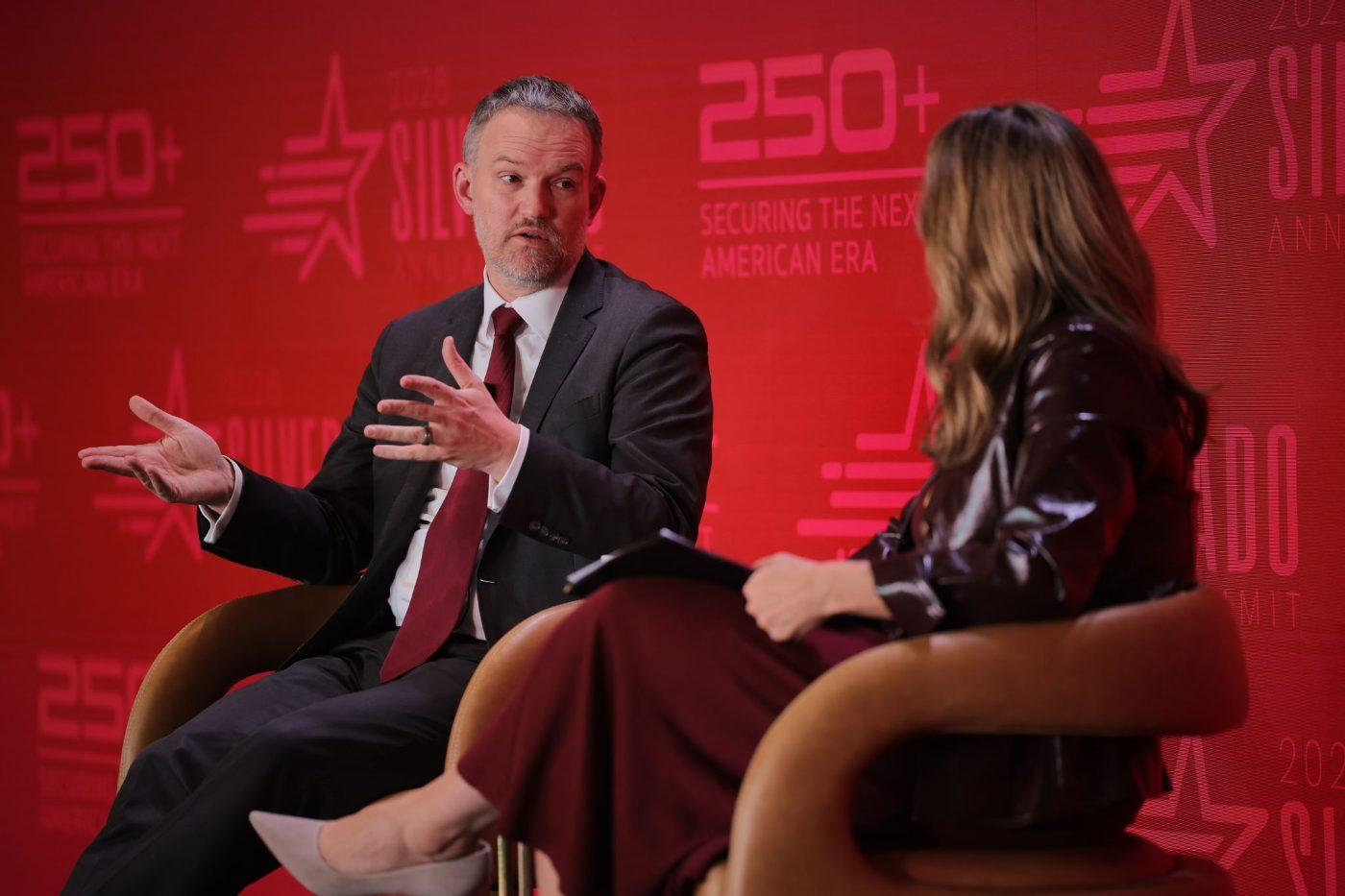
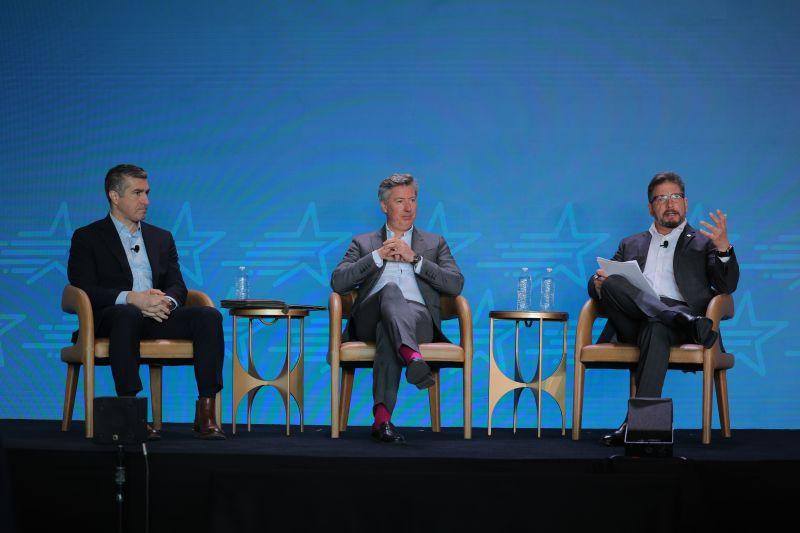
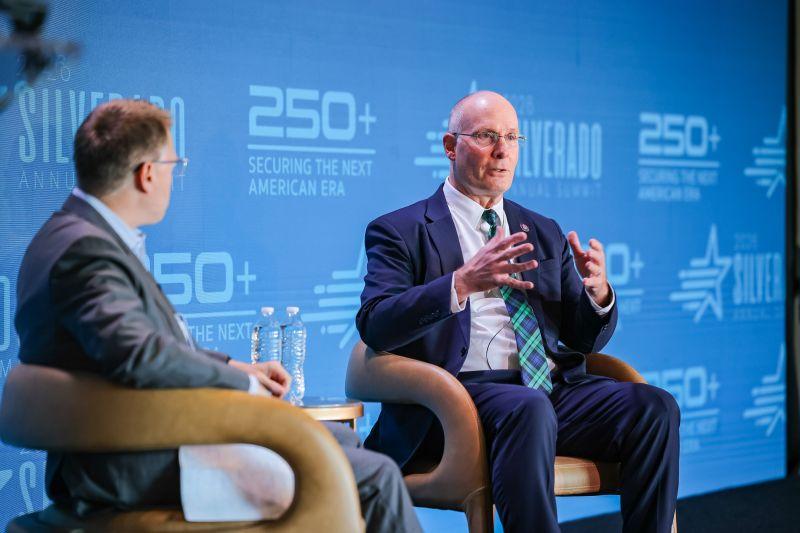
Photos from the 2026 Silverado Annual Summit are provided by EPNAC.
Summit Partners
The 2026 Annual Summit was supported by twenty-four partner organizations across three tiers.
Photographs, titles, and biographies for every speaker, moderator, and breakout lead.
Download Speaker Directory