World on the Brink
Silverado’s Three Bs of Mineral Recycling
Recycling has moved to the center of critical mineral policy discussions, but it is often treated as a monolith. At Silverado Policy Accelerator, we recognize that not all recycling feedstocks are the same, so the policy solutions shouldn’t be either.

Senior Policy Analyst
Recycling has become a pillar of U.S. mineral strategy because it can help reduce import reliance. It's showing up everywhere, from the G7 Critical Minerals Action Plan to the Quad Critical Minerals Initiative, and is woven into bilateral action plans, MOUs, and framework deals. Government funding, especially from the Department of Energy, has been directed toward recycling initiatives, and a new wave of proposed legislation is following right behind it. Most recently, following a Presidential Determination, the Department of Commerce used Defense Production Act authority to require that black mass and tungsten waste and scrap be sold to domestic buyers.
But as policy actions towards recycling move front and center, it’s important to remember that not all recycling is the same because not all recycling feedstocks are the same. Therefore, policy actions may need to differ depending on the recycling feedstock.
What is a feedstock?
Simply put, a feedstock is the material that arrives at a recycler, and it is what minerals and other materials are extracted from. Silverado approaches mineral recycling by sorting recycling feedstocks into three types: base, bound, and bespoke. We call these the “Three Bs of Recycling.” The feedstock is the overarching category that a critical mineral can be recycled from. So, for example, a mineral like copper can be found in both base and bespoke categories because it exists in various forms within various feedstocks. A mineral inherits its category, or categories, from the form in which it arrives in the recycling supply chain, also known as the reverse supply chain.
Base Feedstocks
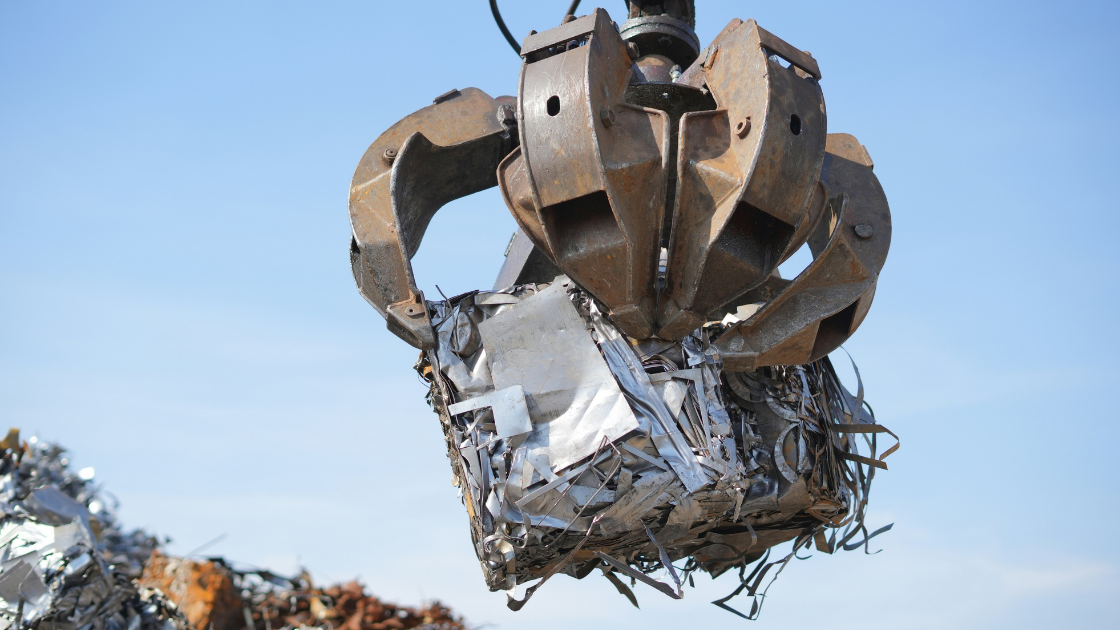
The first B is base feedstock, such as steel, copper, and aluminum. Base feedstocks arrive in high volumes and fairly consistent forms, with collection networks and markets that have existed for decades. Recovery comes down to sorting and remelting, with very little chemistry required. The technology in this category is mature, and the infrastructure has had decades to develop. However, these markets are not impermeable to problems. While not as complex as bound and bespoke feedstocks, base feedstocks come in defined grades of purity. High-purity scrap that melts with little preparation sells closer to the benchmark metal price, and lower-grade material sells for much less. With copper, for instance, China sets strict purity standards for the scrap it imports, so a change in its rules or tariffs can close off a major buyer to lower-grade sellers, which could drive prices even lower. In other base feedstocks, such as steel, subsidized Chinese overcapacity adds pressure, because surplus metal sold abroad at low prices weakens market-oriented producers.
Bound Feedstocks
The second B is bound feedstock. In these feedstocks, the minerals are concentrated in a single product component. Lithium-ion batteries are the most obvious example of this category, since they contain lithium, cobalt, nickel, and manganese. However, other feedstocks within this category include swarf, which is scrap from permanent magnet production that could contain neodymium, terbium, and other rare earth elements.
Getting these minerals out of an end product takes a complex industrial process. For example, batteries have to be collected, dismantled, shredded into what is called black mass, and then refined before the materials are usable again. China was projected to process 2.5 million tons of black mass in 2025, which is 89% of the global total. North America refined 21,000 tons. That figure is up from 5,000 tons the year before. To continue that growth, the U.S. needs policy and investment that expand refining capacity.
Bespoke Feedstocks
The third B is bespoke feedstock. This category includes permanent magnets embedded in larger products, such as cellphones or electric vehicles, as well as germanium and gallium in semiconductors or lenses. Rare earth elements found in this category are different from those in swarf because these minerals enter the supply chain dispersed inside finished products and must be collected and dismantled before any recovery starts, whereas REEs in swarf enter the supply chain as a concentrated scrap of a known composition from a magnet manufacturer.
It's the hardest category to recycle by far, and unlike bound feedstocks, these minerals aren't concentrated in one waste stream. They’re dispersed in tiny quantities across thousands of different products, which makes collection difficult. Separation technology is still developing, and recyclers who do manage to recover these minerals are selling into thin, volatile markets with few buyers. Together, these factors explain why bespoke feedstocks, and the minerals within them, face the steepest barriers to investment and scale compared to the other two categories. These feedstocks need the most sustained government support, and the payoff may take longer than in the bound category.
Why does this matter?
The problem is that policymakers often talk about recycling policy as if it's one thing. It isn't. A rule built for base feedstocks can be dead weight for bound feedstocks, and actively harmful for bespoke ones. That means export controls, extended producer responsibility rules, and domestic content requirements cannot be applied uniformly without fixing one vulnerability as it may create another in another category. So, the next time you hear a recycling policy proposal, don't just ask whether it supports recycling. Ask which of the three Bs it targets and whether it addresses the challenges unique to that specific feedstock. Once that happens, you’re one step closer to securing the critical mineral supply chain through recycling.